
Septic Tank Installation Timeline: Navigating Permits and Soils Across Tennessee
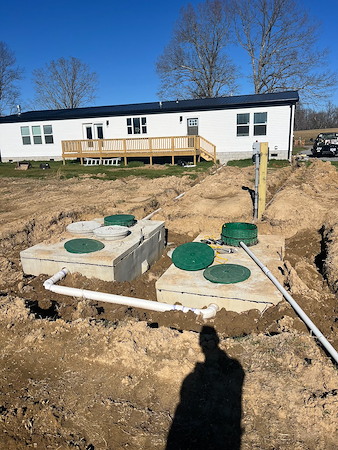
Planning septic tank installation in Tennessee for a new home or an off‑grid cabin takes more than a weekend. It is a months-long process shaped by permits, weather, and your soil’s ability to absorb water. This guide explains each milestone, why the first soil evaluation dictates your entire layout, and how Nashville Land Management Services keeps projects moving with careful timing and coordination. If you prefer a turnkey path, our septic tank installation team handles the details from the first site walk to final sign-off.
What Septic Tank Installation in Tennessee Really Takes
Tennessee homes that are not on city sewer rely on a subsurface system approved by the Tennessee Department of Environment and Conservation (TDEC). The permit process, soil findings, and inspection schedule guide every decision that follows. For rural properties around Nashville, Franklin, Murfreesboro, and the Cumberland foothills, planning ahead is the difference between a smooth build and months of avoidable delays.
The Big-Picture Timeline From First Call to Final Flush
Every property is unique, yet most successful installs follow a similar arc. Weather windows matter across our clay-heavy landscapes, so plan for flexibility.
- Discovery and mapping: confirm property lines, slopes, access for equipment, and potential drainfield zones.
- Soil evaluation: a certified professional studies your soils or performs a perc test to determine absorption and limiting layers.
- Preliminary layout: home, driveway, and utility corridors adjusted to fit the approved drainfield and reserve area.
- TDEC permit application and review: submittal includes soils data and a proposed design suitable for your site.
- Dry-weather site walk and staking: mark tank, trench, and reserve areas to prevent conflicts with grading or utilities.
- Installation and inspections: excavation, tank set, distribution, drainfield build, and required inspections.
- Backfill and stabilization: final grading and surface restoration to protect the new system.
Start early and expect several months from first evaluation to final approval, especially if rain keeps clay soils saturated or you need an alternative design.
How TDEC Permitting Works, In Plain Language
TDEC reviews soil findings to decide what type of system fits your property and where it must go. Your application includes the soils report or percolation data and a proposed layout that respects setbacks, slopes, and separation from water features. TDEC then issues the permit with design parameters and any required inspections. If your land has shallow bedrock or seasonal high water, an alternative design may be required. You do not need to memorize the rules. Focus on choosing a team that submits a complete, accurate package the first time.
For a quick overview of the process and services available across Middle Tennessee, you can always start at our home base for septic tank installation tn resources and contacts.
Why the Soil Test Dictates Your Whole Site Plan
The first real decision-maker is the soil evaluation or percolation test. It sets the drainfield location, trench depth, and total absorption area. That single finding can shift your house footprint, driveway, and even the spot where you want a future barn. Treat the test area like the heart of your project.
Protect the proposed drainfield from traffic. Heavy trucks, skid steers, or even repeated pickup passes can compact wet clay and ruin a good test area. Until your system is installed and stabilized, keep equipment off the flagged zone and any marked reserve area.
Scheduling Around Tennessee Weather and Soils
Across Tennessee, rain patterns and soil types play a major role:
- Middle Tennessee red clay and limestone: sticky when wet, hard when dry. Work drains and trenches during a dry stretch to avoid smearing trench walls.
- Cumberland Plateau and foothills: thin soils over rock and steeper slopes increase the need for accurate staking and erosion control.
- West Tennessee bottomlands: slower-draining soils mean patient timing and well-managed surface runoff during construction.
- East Tennessee ridgelines: shallower soils and elevation changes require tight access planning and careful layout.
Plan critical steps for predictable dry windows. A two-day break in summer may be enough to test and stake a site. In a wet spring, you may wait a week or more before machines should touch the ground.
Local tip: Schedule soil evaluations and site walks during a dry spell. Wet clay compacts under equipment, which can reduce percolation and force design changes. A few days of patience can save months of redesign.
Design Decisions That Keep Off‑Grid Builds On Track
Off‑grid and acreage homes across Tennessee live or die by smart layout. Your system needs a primary drainfield plus a reserved area for future use. Tank location should allow safe, year‑round service access without driving across the field. Keep the driveway, utilities, and future outbuildings routed away from trenches. If you plan a garden, orchard, or small pasture, make sure they do not overlap with the system footprint.
Do not trench when soils are wet. Smearing and rutting can reduce absorption and trigger corrective work. Your installer should pause until the ground is ready rather than forcing a deadline that backfires.
Site Preparation That Supports a Clean Install
Before anyone sets a tank, clear just enough ground to open access and match the approved layout. Strategic clearing also controls stormwater during the build. If trees, saplings, or brush block access to the staked area, our crew coordinates selective land clearing so the soil remains stable and undisturbed where it matters most. Grading should protect the future drainfield from concentrated runoff. Simple choices at this stage prevent erosion and siltation during the inspections.
For step-by-step planning ideas and seasonal timing notes, scan our recent articles before you schedule field work.
The Inspection Milestones You Should Expect
TDEC will require certain checks during or after installation to confirm the system matches the approved design. Inspections often occur at trench depth before backfill and when distribution components are in place. Photos, as-builts, or a final verification may be part of the package. Your installer should coordinate these visits around weather and soil readiness. If rain hits mid-week, a short pause protects the integrity of the trenches and your final approval.
Common Reasons Timelines Stretch Out
Most slowdowns trace back to moisture and misalignment. When soils are saturated, equipment compacts the field, tests can fail, and inspections may be rescheduled. If a driveway crosses the flagged field or utilities cut through the absorption area, the design must change. Communication is the cure. A clear map, flags that everyone respects, and a single project lead keep the plan on course.
Respect the reserve area. It is not extra yard. It is your backup plan. Parking or stockpiling there can jeopardize the future of your system and the value of your property.
Building Off‑Grid in Tennessee: Plan Utilities Around the Field
Off‑grid power, water storage, and access tracks must route around the septic layout. When possible, locate solar conduits and water lines on the opposite side of the house from the drainfield. Keep heavy deliveries out of that zone, especially after rain. In Middle Tennessee neighborhoods like Bellevue or Leiper’s Fork, narrow access and sloped drives make staging crucial. Simple staging plans prevent a supply truck from rutting the field the day before inspection.
Your Role As the Homeowner
You do not need to operate machinery or gather regulations. Your role is to choose pros who coordinate soils, permits, and timing. Share your long‑term plans early, including barns, gardens, or guest spaces, so the layout preserves options. Ask for a simple site map you can reference during construction. If anyone new joins the project, hand them the map and point out the flags.
When you want a no‑stress path, Nashville Land Management Services takes the lead. We align soils, permits, and schedules, and we match work to dry windows so the ground stays strong. If you want a system that performs for decades, patience and sequencing matter more than speed.
From First Soil Flag To Final Approval With Nashville Land Management Services
Here is how we typically guide clients across Tennessee from idea to inspection-ready:
- Walk the land and set expectations for a realistic, weather-aware timeline.
- Coordinate a certified soil evaluation and map primary and reserve fields.
- Align house, driveway, and utilities around the approved drainfield.
- Submit a complete TDEC package and manage communication until issued.
- Stage selective clearing and access that protects flagged areas.
- Install, schedule inspections, and stabilize the site for long-term performance.
If you want one team to manage the moving parts, our crew is ready. Learn more about design, layout, and inspection timing on our professional septic tank installation page.
Ready To Start Your Timeline?
Call before you move dirt. A short conversation can save weeks of rework. Talk with Nashville Land Management Services about soils, permits, and the best dry window for your property. Reach us at 615-703-0511. We help Tennessee homeowners plan smart, protect their fields, and finish strong.
Hire the Nashville Land Clearing Pros for Your Next Project!